2026-11-12 · Evan Brooks
Factors That Influence Water Damage Restoration Costs in Plano
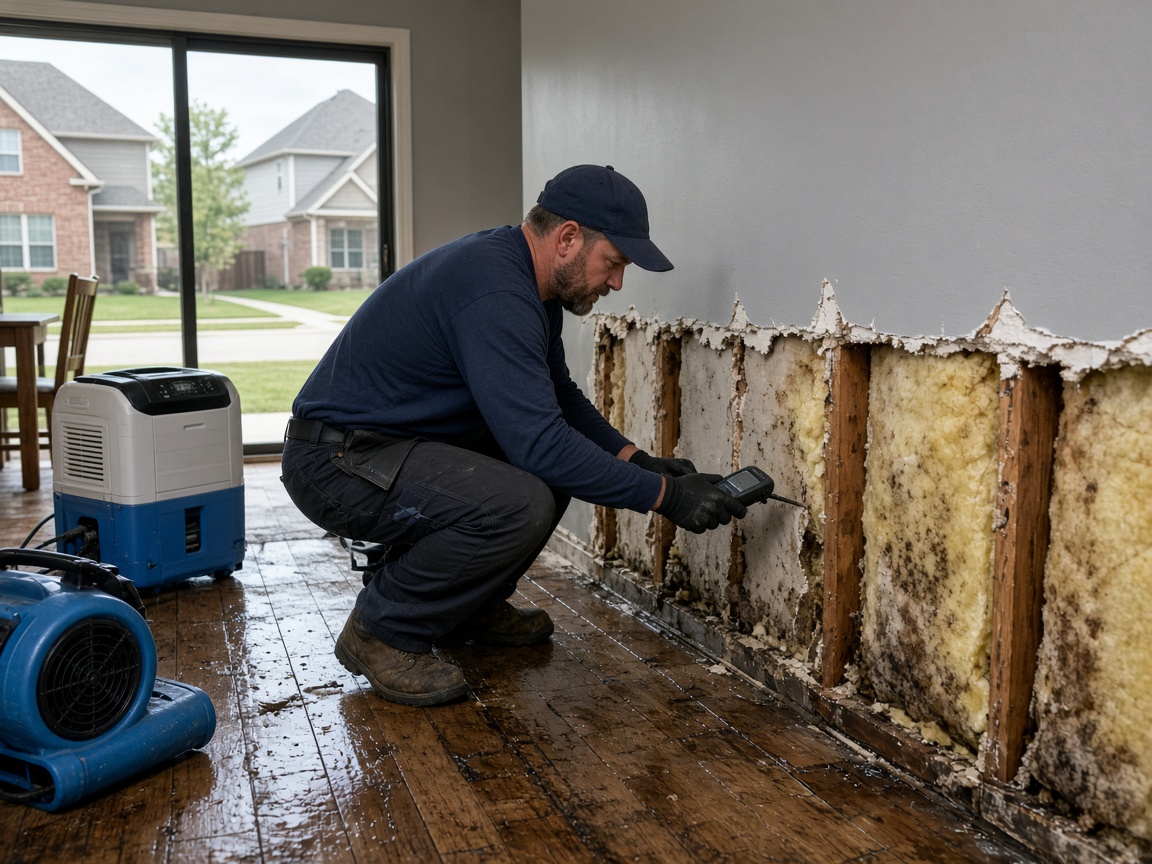
Water damage restoration costs in Plano are shaped primarily by the category of water involved, the total square footage affected, the age and construction of the home, and how quickly the issue is addressed after severe storms common in Collin County. These elements combine to determine whether a job stays under a few thousand dollars or climbs higher when hidden damage appears in older East Plano foundations or newer Legacy West builds.
Water Category and Contamination Level
Water entering a Plano home falls into three categories that immediately set the scope and price of restoration work. Clean water from a burst pipe in Willow Bend requires less aggressive drying and disposal than gray water from an overflowing appliance or black water after a storm floods Oak Point Park-adjacent yards. Category 3 water often demands full removal of porous materials and specialized antimicrobial steps that add time and equipment. Homeowners near Downtown Plano frequently see higher costs when sewage lines back up during heavy summer rains because the entire affected zone must be treated as contaminated. The same storm that drops several inches in an hour can push costs up quickly if the water mixes with lawn fertilizers or road runoff common along K Avenue corridors.
Size and Depth of Affected Areas
The physical reach of the water determines how many rooms, levels, and hidden cavities must be dried and monitored. A small leak under a kitchen sink in a West Plano ranch may stay contained to one cabinet, while a roof breach during a Collin County thunderstorm can saturate insulation across an entire second floor in a Willow Bend two-story. Technicians measure moisture at multiple depths in drywall, subfloors, and carpet pads, and larger footprints require more dehumidifiers and air movers running for longer cycles. Homes built on the slight slopes common in East Plano can channel water toward finished basements, increasing both the square footage and the number of extraction days needed before restoration begins.
Property Age, Construction, and Neighborhood
Plano’s housing stock ranges from 1970s and 1980s homes in East Plano with original plumbing to newer builds in Legacy Town Center and Legacy West that use engineered materials. Older homes often contain plaster, hardwood, and lath that absorb and hold water longer than modern drywall, extending drying times and raising labor hours. Newer homes may have tighter envelopes that trap moisture behind vapor barriers, requiring infrared scans and targeted wall openings. Properties near the Plano Convention Center or along Legacy Drive also sit closer to drainage channels that overflow during the occasional severe storm, sending water under slabs and forcing additional concrete moisture testing before finishes can be replaced.
Response Time and Seasonal Weather Patterns
Hot summers and mild winters punctuated by sudden thunderstorms mean water damage can appear with little warning, and the speed of initial extraction directly affects final costs. A call received on a Saturday morning within the posted hours at 2600 K Ave #224 allows crews to begin removal before mold sets in, often keeping the project smaller. Delays of even 24 hours during peak humidity let moisture migrate into adjacent rooms or HVAC systems, multiplying the surfaces that need treatment. Linking to seasonal guidance such as How to Handle Water Damage After Summer Storms in Plano helps residents recognize early signs before a simple cleanup turns into full water damage restoration.
Materials, Labor, and Follow-Up Monitoring
Once water is removed, the choice of replacement materials and the need for ongoing moisture monitoring influence the remaining budget. Hardwood floors in a Frisco-adjacent Willow Bend home may require sanding and refinishing rather than full replacement, while carpet in an older Downtown Plano rental often needs complete removal. Labor rates reflect the time required to set up containment, run equipment, and return for daily readings until readings fall below 12 percent moisture content. Homeowners who schedule water damage repair promptly after the initial extraction typically see lower totals because secondary issues like warped subfloors or stained drywall are caught before they spread.